

Composite bonding is a cosmetic dental procedure designed to fix chips, cracks, gaps, or discoloration. A tooth-colored resin is applied, shaped, and hardened with a special light. The process is quick, usually done in a single visit, and less invasive compared to other treatments like crowns or veneers. Composite bonding Bexley offers patients a simple and effective way to restore confidence in their smile. Many people choose bonding because it requires minimal alteration of the tooth structure, making it gentle and suitable even for those with sensitive teeth. With the right care, results can last for years while maintaining a natural and glamorous look.
What Causes Tooth Sensitivity
Tooth sensitivity usually stems from exposed dentin, worn enamel, or gum recession. These conditions make teeth more reactive to hot, cold, sweet, or acidic foods. Any dental procedure involving the surface of teeth might seem intimidating to someone already struggling with sensitivity. That is why understanding how composite bonding interacts with tooth structure is important for peace of mind.
The Procedure and Comfort Level
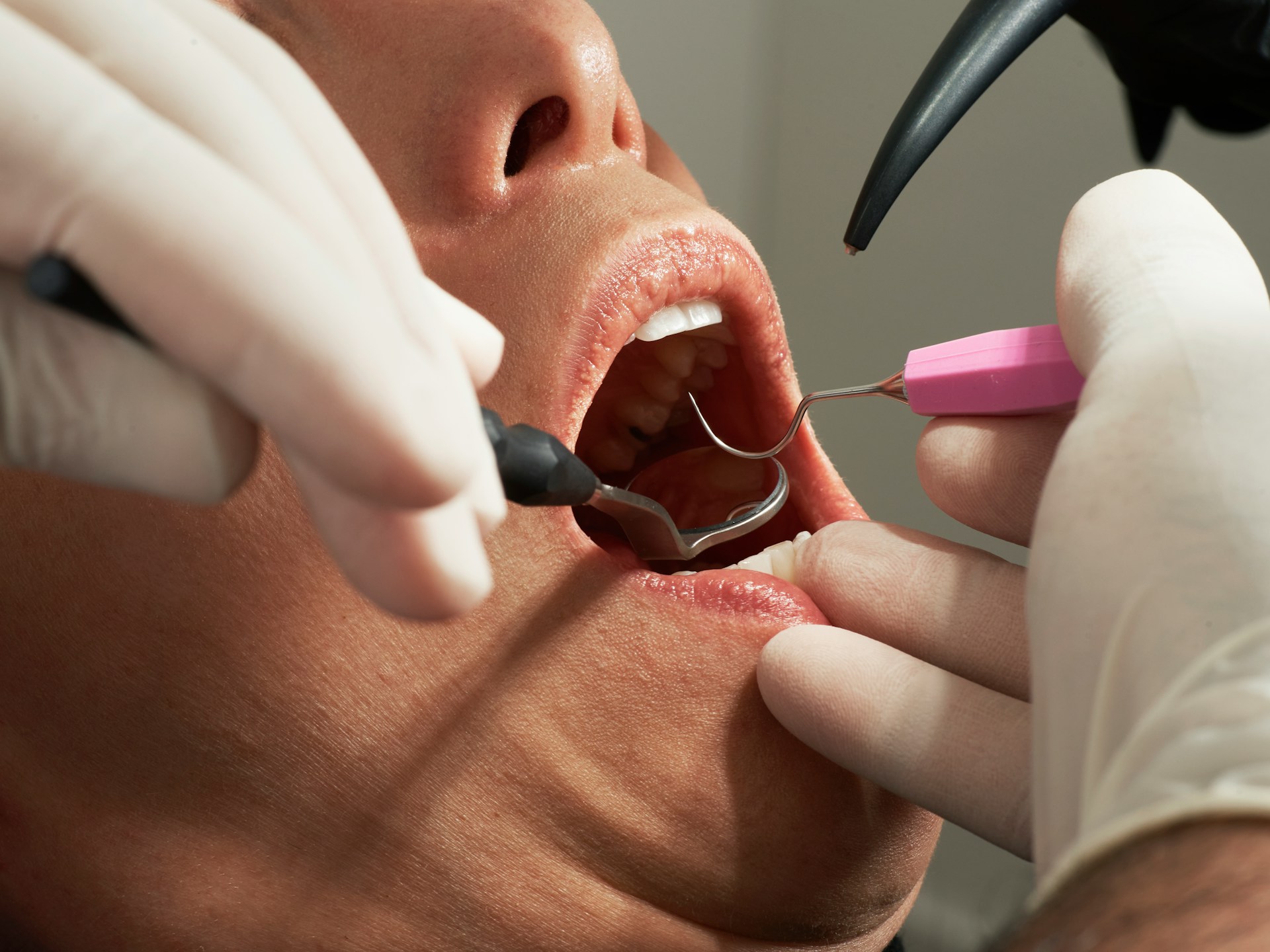
During bonding, the dentist prepares the tooth by lightly etching the surface to help the resin adhere. This step is gentle and removes minimal enamel. Unlike veneers or crowns, there is no need for significant reshaping of the tooth. Most patients do not require anesthesia unless the bonding is used to fill a cavity. This minimal invasiveness is one reason why bonding is generally considered safe for people with sensitive teeth.
Safety Factors for Sensitive Patients
Composite bonding does not usually worsen sensitivity when performed correctly. The resin actually acts as a protective layer, covering exposed dentin and shielding the tooth from triggers. For patients with mild sensitivity, bonding may even reduce discomfort. However, every case is different. A consultation with a dentist helps ensure that bonding is the right option, especially when underlying issues like gum disease or severe enamel erosion are present.
Long-Term Effects on Tooth Health
The resin used in bonding is biocompatible and safe. Over time, the bonded area may stain or wear, but this does not directly harm the tooth. Regular dental checkups are essential to monitor the condition of the bonded teeth and surrounding structures. With proper care, bonding can last several years. It is a unique solution that improves both function and aesthetics without major risks. For sensitive teeth, its protective qualities often outweigh concerns.
Compare Bonding to Other Treatments
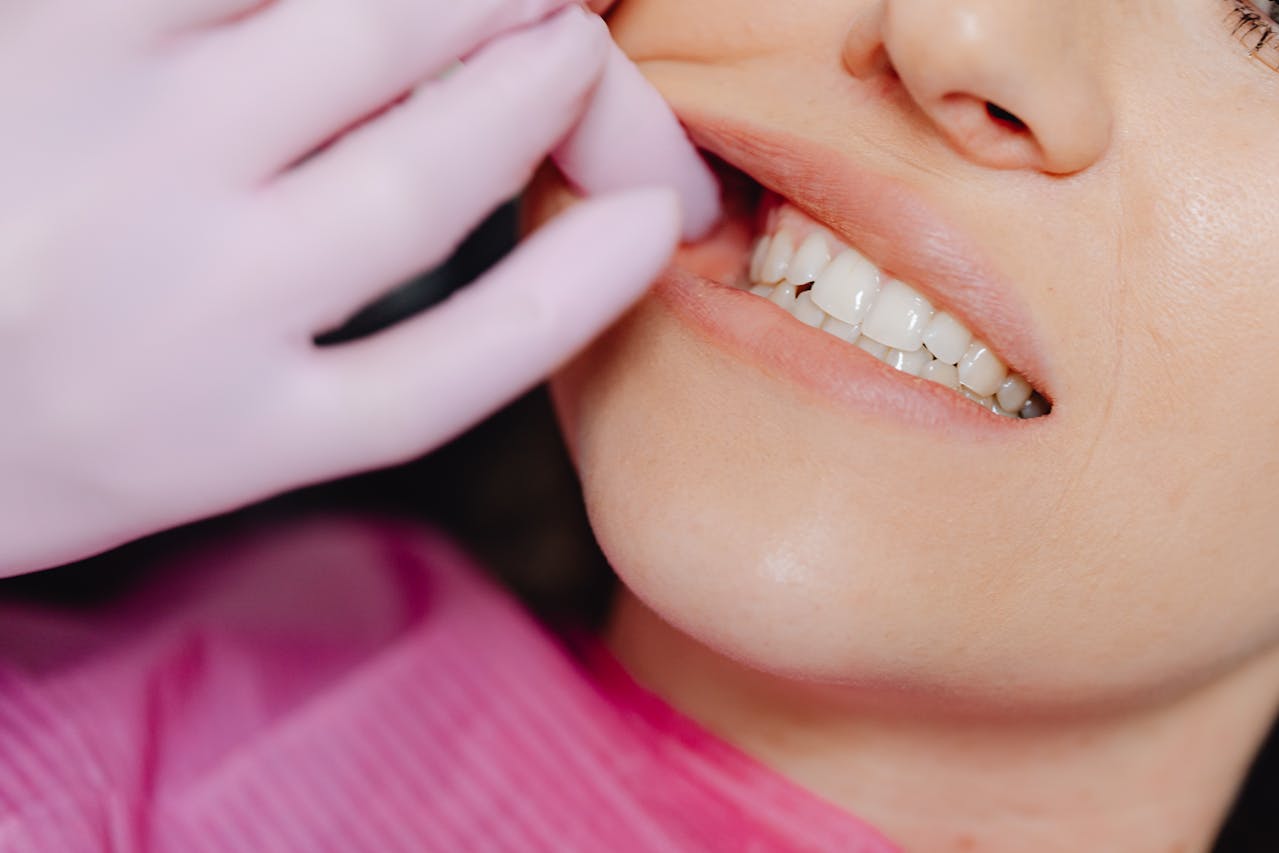
Compared to veneers or crowns, bonding is less invasive and more reversible. Veneers require enamel removal, which can sometimes increase sensitivity. Crowns involve reshaping the tooth more extensively. Bonding, on the other hand, keeps the natural structure intact. For patients prioritizing comfort, it often represents the safest choice. Dentists may still recommend alternatives if the damage is too severe, but bonding is usually the least disruptive method for cosmetic improvements.
Lifestyle Considerations After Bonding
Patients with sensitive teeth who undergo bonding should still practice good habits. Avoiding very hard foods, acidic drinks, and excessive teeth grinding helps protect both natural enamel and bonded resin. Daily brushing with a non-abrasive toothpaste and regular flossing remain essential. These steps ensure that the teeth stay strong and that the bonded areas continue to provide protection. Sensitivity often improves when teeth are cared for with the utmost attention to hygiene.
Composite bonding is generally safe for sensitive teeth. The treatment is conservative, protective, and effective at enhancing smiles without extensive procedures. While every patient’s condition is unique, bonding frequently offers relief rather than discomfort. Consulting a professional dentist ensures that sensitivity is properly evaluated before treatment. With correct planning and care, composite bonding can provide both cosmetic and functional benefits for people who want healthier, more confident smiles.