

Composite bonding is a cosmetic dental procedure designed to fix chips, cracks, gaps, or discoloration. A tooth-colored resin is applied, shaped, and hardened with a special light. The process is quick, usually done in a single visit, and less invasive compared to other treatments like crowns or veneers. Composite bonding Bexley offers patients a simple and effective way to restore confidence in their smile. Many people choose bonding because it requires minimal alteration of the tooth structure, making it gentle and suitable even for those with sensitive teeth. With the right care, results can last for years while maintaining a natural and glamorous look.
What Causes Tooth Sensitivity
Tooth sensitivity usually stems from exposed dentin, worn enamel, or gum recession. These conditions make teeth more reactive to hot, cold, sweet, or acidic foods. Any dental procedure involving the surface of teeth might seem intimidating to someone already struggling with sensitivity. That is why understanding how composite bonding interacts with tooth structure is important for peace of mind.
The Procedure and Comfort Level
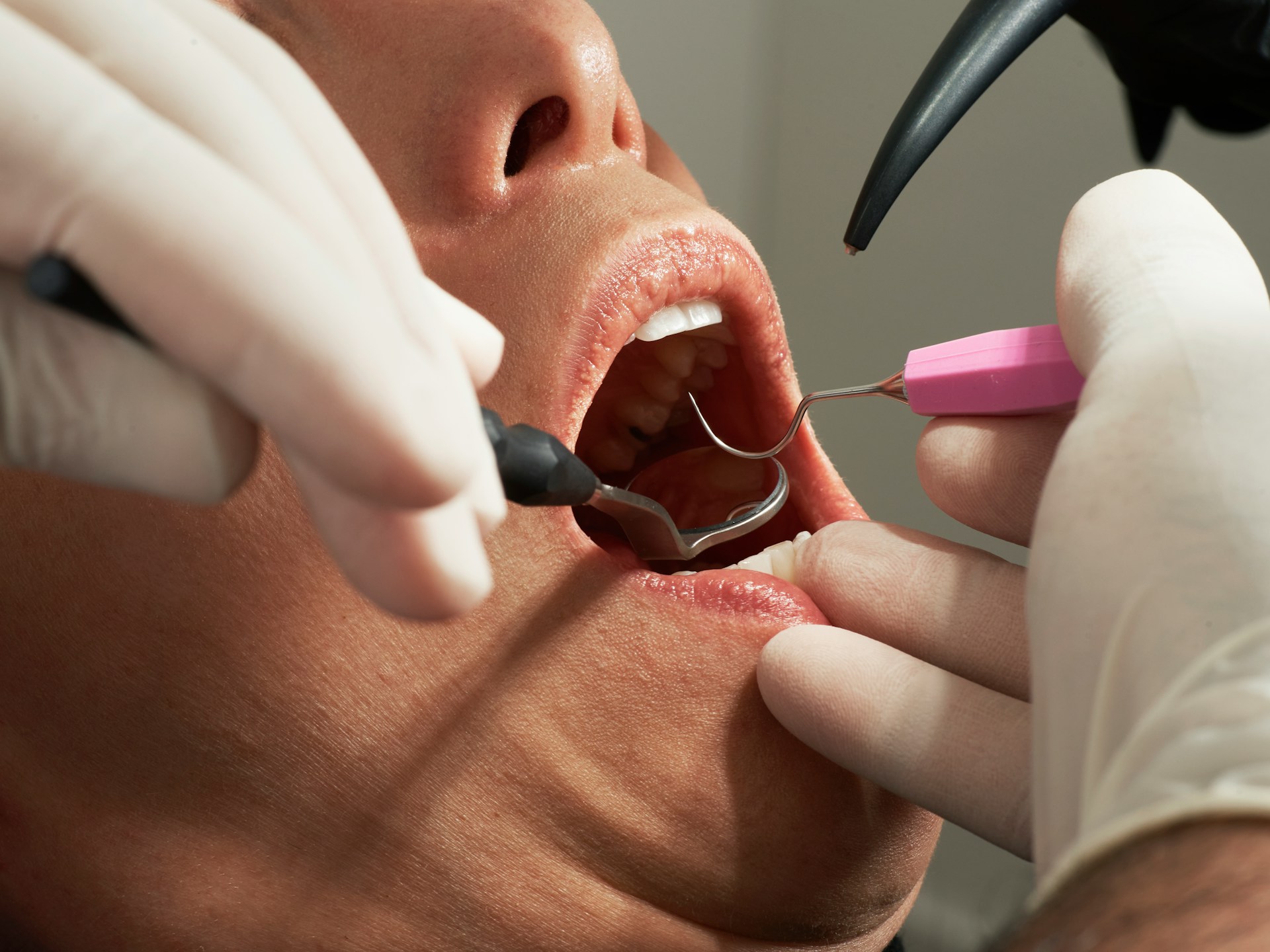
During bonding, the dentist prepares the tooth by lightly etching the surface to help the resin adhere. This step is gentle and removes minimal enamel. Unlike veneers or crowns, there is no need for significant reshaping of the tooth. Most patients do not require anesthesia unless the bonding is used to fill a cavity. This minimal invasiveness is one reason why bonding is generally considered safe for people with sensitive teeth.
Safety Factors for Sensitive Patients
Composite bonding …